An employee activation program can be a fantastic way to build brand awareness, reach a wider audience, and attract new talent. However, it’s critical that such a program is planned and managed carefully so you can make the most out of your efforts.
A poorly executed employee activation program will be ineffective, but it could also be damaging to your company and brand reputation.
Make sure you get off to a strong start with employee activation by making yourself aware of some of the most common pitfalls. When you know the potential pitfalls, you can avoid them and ensure that both your business and your employees reap the maximum benefits of a robust employee advocacy program.
Quick Takeaways
- Successful employee activation programs are planned strategically and implemented only after employee engagement is high and a content marketing strategy is in place.
- Don’t use your program purely as a marketing technique. Think about what’s in it for your employees too.
- Define goals and regularly measure results by tracking the metrics that are important for your business.
1. Focusing Too Much on Incentives and Gamification
It’s natural to want to increase participation levels as much as possible when you start an employee advocacy program but avoid relying too heavily on incentives to persuade your employees to join in.
Offering rewards to your employees in exchange for posting business content on their social media accounts may seem like a great idea, and it can be an effective strategy when managed carefully.
However, there are a few issues with this approach:
- a) This strategy isn’t really sustainable. While incentives may seem like a nice bonus and can be effective at boosting participation at first, the novelty quickly wears off. Also, do you really want to be managing a reward scheme for employee engagement in the long-term?
- b) It reduces the authenticity of your employee-shared content. It’s pretty obvious to outsiders when people are truly enthusiastic and passionate about what they do, and when they’ve simply been bribed to post something.
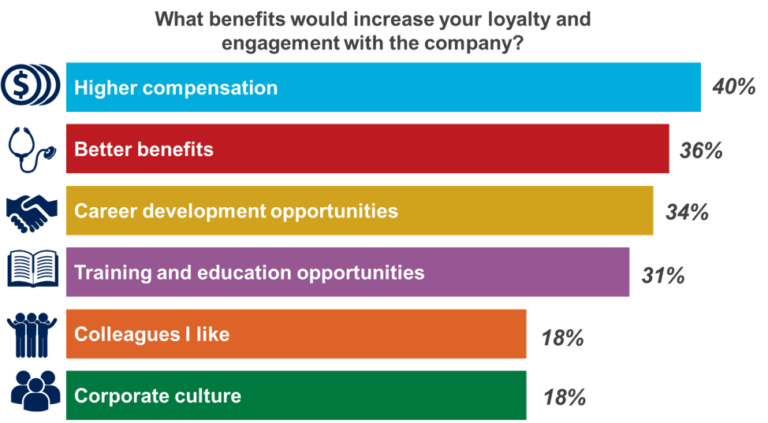
- c) The real benefits of participating in an employee advocacy program for individuals are obscured. Are people posting on social media because they want to be top of the charts this month and win a gift card? Or do they want to build a reputation as a thought leader and work together with the business toward common goals?
2. Creating Overly-Restrictive Guidelines
Social media guidelines can be helpful for ensuring all your communications are on brand and that everyone is sharing the type of content that is beneficial to your organization. However, don’t make the mistake of being too strict with your guidelines.
This will not only discourage some employees from posting at all for fear of doing something wrong, but it will also strip the personality out of brand-related content that’s posted on your employees’ personal channels.
Part of the beauty of employee advocacy is that you empower individuals to share the content that they resonate with and be creative in their messages. By restricting your employees to copy-and-pasted corporate messages, or allowing them only to share pre-approved content, you’ll be losing the power of this marketing tactic.
3. Having No Guidelines
On the other hand, you don’t want to make your employee advocacy program a complete free-for-all, with no management at all.
Sensible and well thought out guidelines provide a structure that both protects the brand and makes sure employees are clear on what they can and cannot post.

If you’re not sure what to put in your social media policy and style guide, you can follow the example of other brands that have launched successful employee advocacy programs.
For example, Dell states hashtags that employees should use when posting work-related content, reminds employees to behave in a responsible manner on social media, and encourages them to post content that they wouldn’t mind showing up in their boss’s inbox or being re-published on a major news site.
When Mastercard launched its employee advocacy program, it updated its old restrictive social media policy to focus more on “using common sense, understanding the public nature of social channels and being transparent about your affiliation with the brand.”
The social media policies of these brands are a great place to start. You can also look at other companies that have been successful with employee advocacy such as Starbucks, Reebok, Zappos, etc. – many of them publish these policies publicly.
3. Launching a Program With a Disengaged Workforce
Any employee advocacy program is doomed to failure if the workforce is not engaged in the first place. This situation can occur when companies jump onto the trend of employee advocacy purely for marketing purposes, without considering how they can really engage their employees.
Take time to assess your current level of workforce engagement and invest in employee engagement before you even start thinking about an employee advocacy program.
Work together with HR both to increase the overall satisfaction level of employees and to really nail down your brand purpose and mission. Make sure that your teams understand what the business stands for.
4. Launching a Program Without a Strong Content Strategy
Likewise, it’s critical to have your content marketing strategy in place before you start to seriously think about putting together an employee advocacy plan.
There’s no point trying to encourage your employees to share corporate content if you don’t have great content that’s worthy of sharing.
Your content strategy shouldn’t only include your plans for publishing and promoting content internally. You should also have an internal platform for curating content and making it easy for your employees to share.
Remember, participating in your employee advocacy program is an additional task for individuals who are already very busy with emails, calls, and their own core duties. Make it easy for them by showcasing your best content so they don’t have to sift through it to find something they’re interested in and want to share.
Unless your organization is very small, you should also make the effort to segment your curation to make sure each team sees the content that is most relevant to them.
5. Failing to Measure Success Metrics
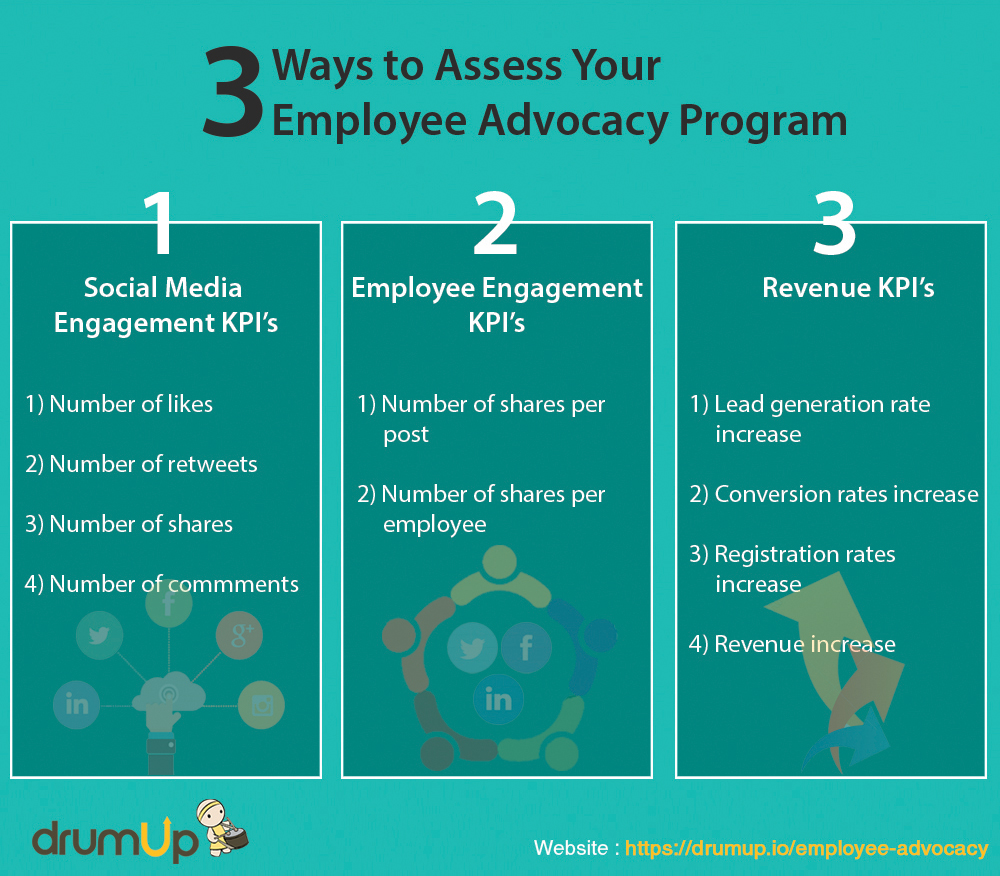
Just as with any marketing initiative, you must define clear goals and measure appropriate metrics so you can assess whether your program is a success or if it’s failing.
There are many different metrics you can use to track the success of your employee advocacy program. To decide which ones you should track, you need to go back to your goals and reasons for implementing the program in the first place. Some metrics you might want to consider include:
- Number of shares (you can also measure this on a per-user basis to find your most dedicated and successful advocates, and you should also track which types of content are most commonly shared)
- Post engagement (likes and comments)
- Traffic and referrals to the brand website
- Brand mentions on social media
- Sales and conversions
- Number of job applications, and quality/experience of applicants.
Don’t forget to include your employees in this evaluation process. Individuals should be aware of how their efforts impact the overall success of the program and business, and they should be recognized and rewarded for their contribution.
Need Help with Your Content Strategy?
If you are ready to get more traffic to your site with quality content that’s consistently published, check out our Content Builder Service. Set up a quick consultation, and I’ll send you a free PDF version of my books. Get started today and generate more traffic and leads for your business.
The post 5 Mistakes to Avoid with Your Employee Activation Program appeared first on MIG.
from MIG https://ift.tt/2l75Rs7
via IFTTT
Comments
Post a Comment