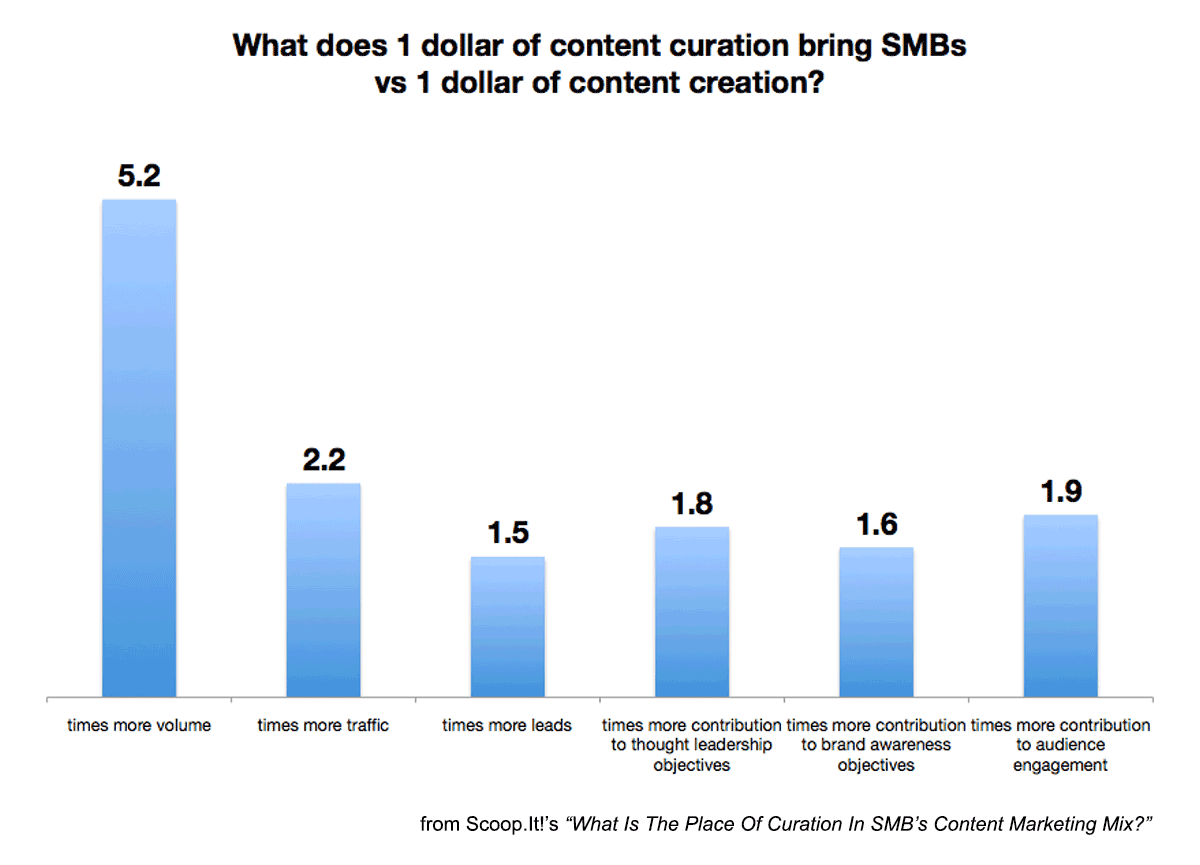
If you’ve spent any time on this blog, you know that content curation is the main focal point – and for good reason. Curating content removes much of the heavy lifting that needs to be done in order to produce original content, while still engaging your audience and populating your social and content channels with valuable messaging that educates and nurtures.
But as with most content marketing strategies, there’s a fine line between what’s legal/ethical and what’s not. And if you want to be successful with content curation, you need to make sure you’re staying on the right side of that line.
What is Content Curation?
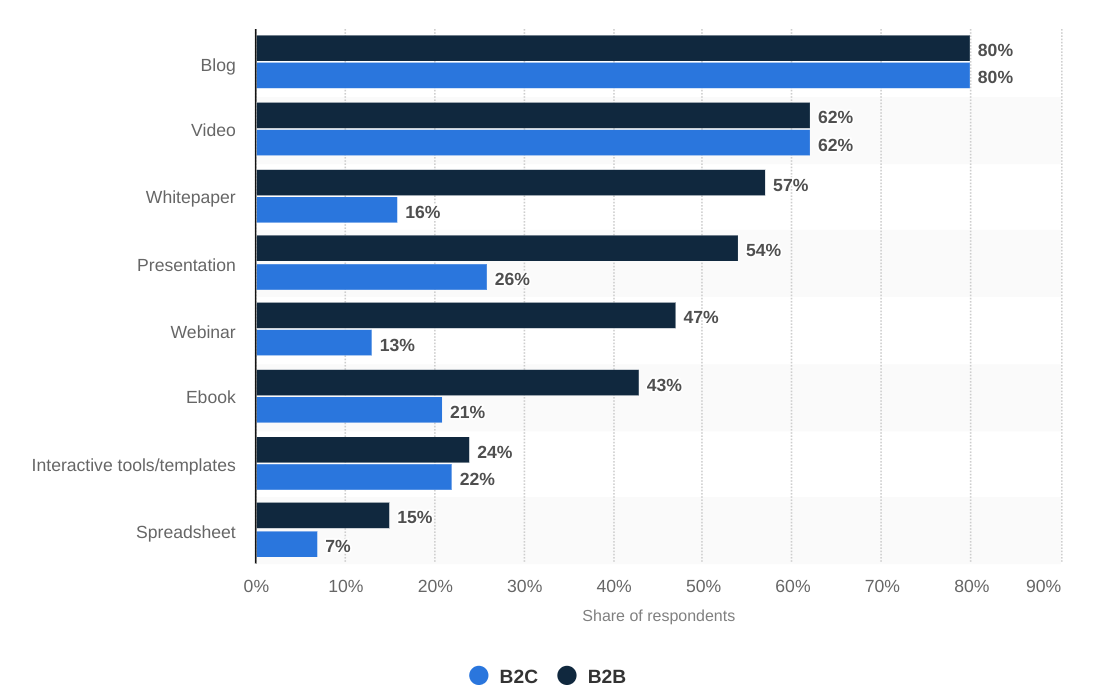
The sheer volume of content that’s being created and published online is enough to overwhelm the billions of users who access the internet on a regular basis. In fact, the vast majority of all content ever created by mankind has been produced in just the last three years. And this makes it nearly impossible for people to sift through trillions of words of copy, billions of videos, and millions of blogs to find the information they need.
Whereas the world’s most profitable websites and brands were once content creators, today’s leading sites – like Buzzfeed and ViralNova – tend to err on the side of content curation. We’re living in an editorial age where content curation is king.
Content curation is basically the act of finding existing content that’s already being shared online and bringing it to your own audience. But as you might guess, there are some rules and potential complications that come with curating content that you don’t own.
What Content Curation is Not
In order to be successful with content, you have to understand what content curation is not.
“First, content curation isn’t plagiarism, scraping, or copyright violation—or shouldn’t be,” entrepreneur Tim Parker writes. “If you’re copying somebody else’s work and placing it on your website as your own, that is illegal by any legal standard. That includes a blog article, image, video, or anything else that somebody created.”
Just because you’re able to find a piece of content online, doesn’t mean you can legally use that content. Like any other creative work, digital content is protected by certain copyright laws.
There are very few situations in which you’re able to copy and paste someone else’s content into your own digital channels without express consent. Instead, you have to work within the rules and curate in a legal and ethical manner.
Tips to Safely and Legally Curate Content
Now that we’re clear on what content curation is not, let’s go over a few practical tips you can use to safely and legally curate content to generate the best possible results:
1. Make Sure You’re Protected
When content curation is approached correctly, you have very little to worry about. However, this is a great time to remind business owners and marketers of the importance of having the proper safety nets in place to prevent misunderstandings or mistakes from creating harm.
If you don’t already have one, nab a general liability insurance policy that offers personal and advertising injury coverage. (This coverage will help protect you from lawsuits initiated by someone who accuses you of copyright infringement.)
2. Be Selective in What Content You Curate
Don’t blindly curate anything and everything. And when you do curate, make sure you’re pulling content from a wide variety of sources. If you’re only curating content from a specific blog, you’re not really curating. You’re just using their content and passing it along to your audience.
Good content curation requires a variety of sources that you pick and choose from. By spreading things out, you’re less likely to be seen as “stealing.” Instead, you’re seen as an authoritative voice for your community.
3. Always Cite the Original Source
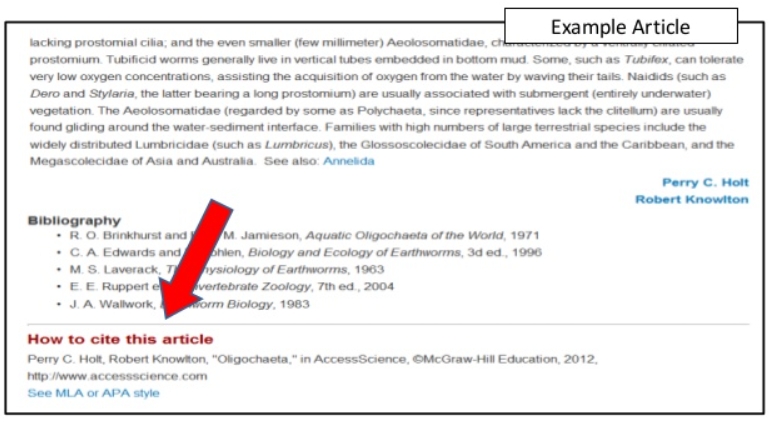
Always, always, always cite the original source and provide a backlink where possible. A failure to do so is rude (at best) and illegal (at worst).
By citing the original source, you show the original content creator that you’re acknowledging their status as the owner. It gives them exposure and backlink “juice.” In fact, if you share a backlink, most savvy business owners and bloggers won’t care what or how much of their content you curate.
4. Provide Context and Original Commentary
While there are times when you can curate and share a piece of content in isolation, the general best practice is to provide some sort of context and original commentary. This makes it unique and gives you a reason to curate. (If you’re simply sharing the same content the original creator put out, you might as well just give your readers a hyperlink and tell them to click to find out more.)
5. Look for Shareable Content
Part of curating content is searching for the right nuggets. By sifting through content and finding the stuff that’s actually valuable, you do your audience a very valuable service. But with so many unknown factors regarding how much you can share, what you can share, and how to properly cite the original source, you’ll find it easier to look for content that’s already deemed shareable.
How do you know if a piece of content is ripe for the picking? Look for those little share links, buttons, and widgets beneath videos and blog posts. (Sites like YouTube and Vimeo allow you to quickly curate and share their content – no questions asked. Many blog platforms do as well.)
6. Take it Down if Asked
If someone ever approaches you and asks you to take down a piece of content or questions why you’re using something that’s theirs, the best policy is to take it down immediately. Arguing, debating, or ignoring aren’t smart strategies. The last thing you want to do is get in an infringement battle. Even if you’re in the clear, it can be a time-consuming and costly fight.
Get Started Today
Don’t let the technical details of content curation keep you from taking action. You don’t need to have everything figured out. So much of successful content curation is learned via firsthand experience. By starting today, you’ll learn what works, uncover the pitfalls to avoid, and put yourself in a position where you can iterate to great.
The post How to Legally and Ethically Curate Content appeared first on Scoop.it Blog.

from Scoop.it Blog https://ift.tt/3dGtezv
via IFTTT
Comments
Post a Comment