
How well do you know your audience? Audience research is a critical part of developing any marketing strategy but it’s not always given the time and attention it really needs.
According to a survey of 1,600 marketers, a shocking 65% never or rarely conduct audience research.
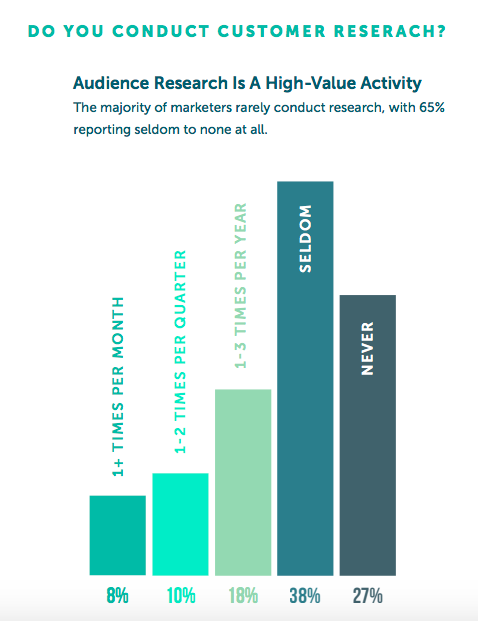
But why is audience research so important? The same study showed that those that do research their audience are over 3x more likely to achieve their marketing goals.
If you don’t really understand who your audience is and what their needs and challenges are, you could fail even with the most carefully planned marketing strategy.
We can all think of big marketing campaigns that have been a disaster. These “marketing fails” are most usually the result of poor or insufficient audience research.
Many brands think they know their audience when in fact they’re making assumptions. You can’t guess what your audience wants – you have to ask. You have to put in the time and effort to do the research.
Quick Takeaways
- Researching and segmenting your audience is essential for creating relevant and effective marketing messages.
- You can segment your audience by demographics, psychographics, behavior, or location, or a combination of these factors.
- Make the most of your marketing budget by targeting your campaigns at your most valuable audience segments.
How to Conduct Audience Research
So how do you get started with audience research?
There are many research methods you can use to find out more about your audience and what makes them tick. Some sources to start your research might include:
- Insights from social media analytics
- Focus groups
- Customer surveys
- Running split tests
- Website analytics
- Data from your CRM
- Social listening
It’s best to use as many sources of information as possible when conducting your audience research. This will take some time and effort, but the more data and intelligence you can gather about your audience, the more accurately you’ll be able to segment your audience and target your marketing messages later.
The Importance of Audience Segmentation
Unless your audience is very small and specific, you’ll want to segment it so you can create targeted marketing campaigns for specific groups of customers.
If you don’t segment your audience, you run the risk of trying to reach everyone – an approach that is sure to limit your success.
Segmenting your audience is simply splitting it into smaller groups based on certain criteria. For example, you could segment your audience by location, past buying behavior, or demographics such as age and gender.
The four most common ways to segment your audience are by:
- Demographics (age, gender, income, education level, etc.)
- Psychographics (personality, values, interests, and lifestyles)
- Behavior (buying and spending habits, brand interactions)
- Geographic location (this could be specific such as on a country or city level or be more general such as urban vs. rural)
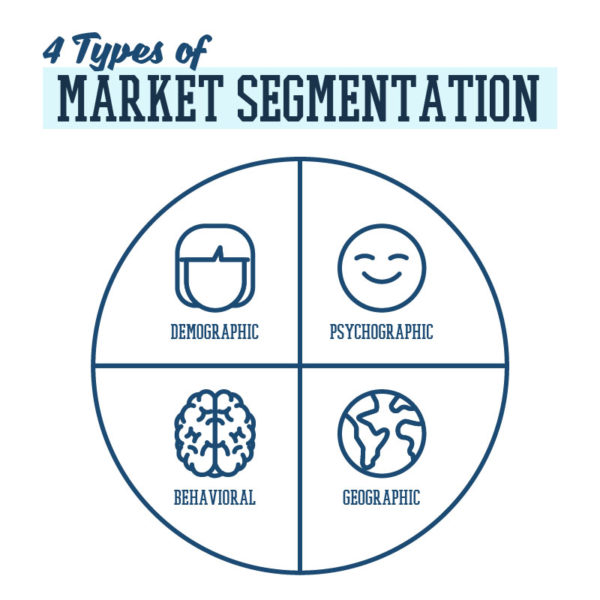
When you can narrow down your audience into smaller segments, you can get a more accurate picture of exactly who you’re trying to appeal to. You can then create more relevant and effective campaigns.
Segmentation is becoming increasingly important in a world where consumers expect their communications with brands to be personalized.
Over 70% of consumers surveyed in a 2019 study said that they would only engage with marketing that was tailored to their interests and 80% would only shop with brands that personalized their experience.
Segmenting your audience enables you to create stronger marketing messages and talk more directly to the customers you’re targeting.
One basic example of segmentation at work is this gender-specific email sent out by adidas.
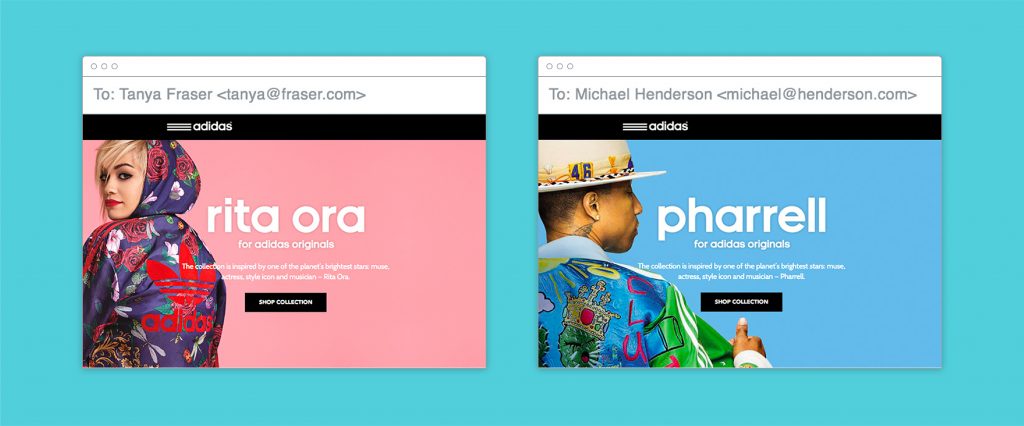
If a certain segment of your audience buys mainly women’s clothing and another buys mainly men’s clothing, it makes sense to target your marketing messages so they’re more relevant to your customers. Emails marketing products that the reader has no interest in are likely to end up in their spam or trash folder in the future.
Segmentation can also help you to identify the most effective marketing platforms and strategies to reach different audience groups. If half your audience only uses Instagram and the other half only uses Facebook, you need to know this information in order to communicate with them.
Audience Targeting
Once you’ve identified your audience segments, you can tailor your marketing messages to directly appeal to each of these segments. Audience targeting is choosing a specific segment to focus on when you’re planning your marketing campaigns.
In most cases, you won’t create separate marketing messages for every single audience segment you’ve identified.
Instead, you should look at your segments and decide which are most likely to generate the conversions you’re aiming for.
For example, if you’re a B2B brand, one of your audience segments might be people that follow you on social media but don’t interact with your brand and don’t make purchase decisions for their company.
This audience segment is unlikely to have much value to your brand, so it’s not worth spending time and budget tailoring marketing messages to them.
It’s also important to consider how easy and expensive it is to reach each of your audience segments and if this cost is worth the potential reward.
If you’ve identified an audience segment that is best reached by television advertising but it will cost you hundreds of thousands of dollars to put together an ad campaign, is your initial investment likely to pay off?
Audience Segmentation and Targeting in Content Marketing
Half the content marketers who completed the most recent survey by the Content Marketing Institute said that one of their top priorities for 2020 was to increase the quality and conversion of their audiences. Around a third also said that knowing and segmenting their audience better were top priorities
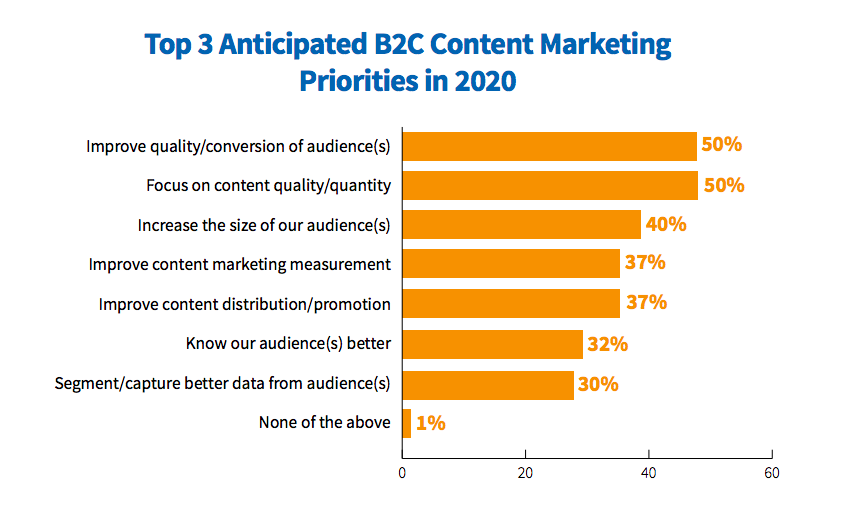
It’s clear that reaching the right audience and producing engaging content is critical to content marketing success. The most effective way to do this is by ensuring your content is relevant to your audience in the first place.
Don’t make assumptions about who you’re producing content for. Make sure you set aside time and resources to do sufficient audience research and targeting content to your most valuable customer segments.
If you are ready to get more traffic to your site with quality content published consistently, check out our Content Builder Service.
Set up a quick consultation, and I’ll send you a free PDF version of my books. Get started today–and generate more traffic and leads for your business.
The post The Complete Guide to Audience Research, Segmentation, and Targeting appeared first on Marketing Insider Group.
from Marketing Insider Group https://ift.tt/2IpQ4Qx
via IFTTT
Comments
Post a Comment